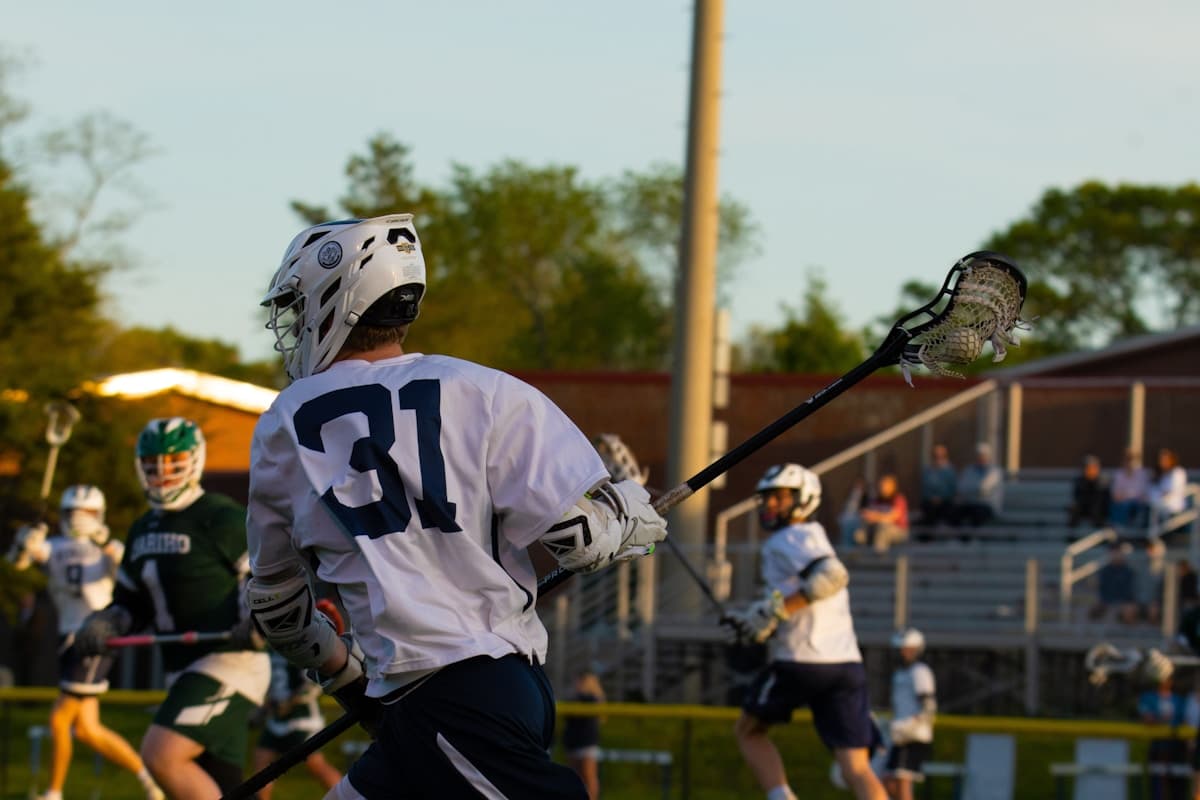
Every athlete at a summer showcase believes the same thing: play well, get noticed. That's half right.
College coaches attending events like the ECNL National Event or USYS Nationals in June and July are evaluating a list that goes well beyond goals scored or assists tallied. Most athletes don't know what's on that list. The ones who do have a real advantage.
The NCAA Evaluation Period Starts July 1
Here's the calendar fact that changes everything: for most sports, NCAA Division I coaches enter their official evaluation period on or around July 1. Check NCAA.org for your sport's specific dates. During this window, coaches can watch athletes compete in person, but they cannot initiate contact.
That means coaches are in the stands, watching, taking notes, and deciding whether to follow up. They're not on the phone recruiting. They're evaluating. Every rep you take, every interaction you have with a teammate or official, is part of the assessment.
What They're Actually Watching
Body language between plays. Do you walk off the field when you make a mistake? Do you argue a call? Coaches at the D1 level recruit athletes they want in their program for four years. A player who sulks after a missed shot is a liability in a locker room, and coaches know it.
How you respond to coaching. Club coaches give instructions during games. Do you listen and adjust, or do you keep doing what you were doing? Coaches are hiring someone they'll spend thousands of hours coaching. They want to know if you're coachable before they offer a scholarship.
Effort when the ball isn't near you. This one separates athletes who get recruited from athletes who get watched. Positioning, communication, pressing: what you do off the ball tells a coach more about your mentality than any individual skill moment.
Your behavior toward opponents and officials. One bad interaction with a referee or an opponent is enough to end a conversation. Coaches recruit character as much as talent, especially at D2, D3, and NAIA programs where team culture carries more weight.
Key stat: NAIA programs are built around developing the character of the whole person. It's embedded in their organizational mission. (Source: NAIA.org)
What This Means Before You Step on the Field
Go into a showcase knowing that coaches who already have your highlight video or profile are watching the gap between who you are on film and who you are in person. The film got them to the field. What happens on the field determines whether they pick up the phone.
- Introduce yourself to your coach before warmups. Stay loose, focused, and ready. Coaches notice athletes who look prepared.
- Talk to your teammates constantly. Verbal communication reads as leadership and coachability from the stands.
- Reset fast after mistakes. Not performatively. Just move on and compete. Coaches respect athletes who have short memories.
- Don't check the stands between plays. It reads as insecurity. Play the game.
After the Showcase: The Follow-Up Window
Getting watched is not the same as getting recruited. If you had a strong performance at an event where college coaches were present, the 48 hours after that event is your window to act.
A short, specific email ("I played at [Event] this weekend, [team name], jersey #[X], [position]") gives a coach context to match a face to a profile. Without it, your performance lives only in their notes. With it, you become a name they can search.
ProspectHub makes it easy to find the right coaches to contact after a showcase. Search by school, sport, division, and conference so you're sending to programs that are actually a fit.
Find coaches at your target schools →
Cover photo by Myles Grim on Unsplash